Home & household packaging
Start with the shape, weight and surface of the item. For refill products, provide the contents and handling conditions so material compatibility can be reviewed.
Discuss this application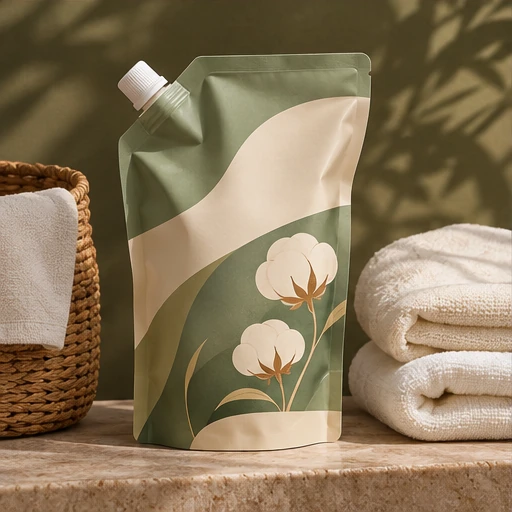
Pack the complete household set
A kitchen tool, its instruction card and a spare component can move independently inside a bag. Pack the full retail set, turn it on each side and note where corners or loose parts press against the film. Show those contact points on a photo. A shaped insert, a different bag opening or a change in orientation may solve the handling issue.
Follow a refill from shelf to cupboard
Use the actual storage space and receiving container when reviewing a household refill. Check how the customer lifts the full pack, aims the opening and sets the partly used pouch down again. For liquids or concentrates, share the formulation and proposed closure with the technical reviewer. Pair the compatibility review with a practical pouring trial.
Planning your project.
How do we choose between a clear bag and a printed pouch?
Arrange both samples on the intended shelf. A clear bag can show the colour or count of items, while an opaque printed panel can carry directions for a refill. Check what the shopper needs to see before and after opening.
Can replacement parts and the main product share a bag?
Pack the set and simulate the customer removing the main item. If small parts fall out or scratch the surface, compare a separate inner press-seal bag with a different arrangement. Include the full set in the quotation.


